
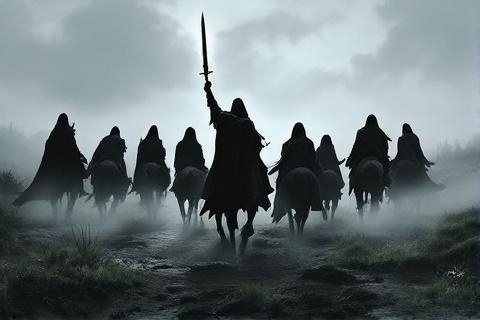
Shadows over Middle-earth: The Nazgûl Unmasked
Exploring the Origins, Powers, and Terrifying Legacy of Sauron's Undying Servants
The Origins of the Nine
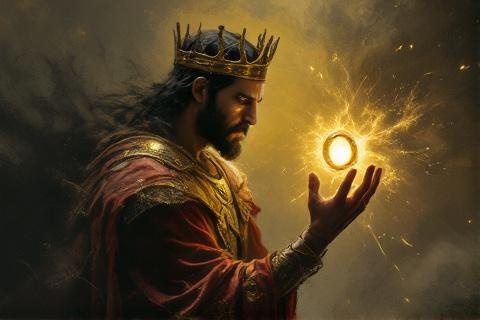
Before their fall into darkness, the nine Nazgûl were mighty kings, sorcerers,
and leaders of Men during the Second Age of
Middle-earth. These great rulers came from various realms of Men, including
three lords of Númenórean race, suggesting their noble
lineage and considerable influence in their time.
Around the year 1500 of the Second Age, Sauron presented each of these rulers
with one of the Nine Rings of Power. The Dark Lord
approached them in his fair form as Annatar, the Lord of
Gifts, deceiving them with promises of power and glory that their ambitious
hearts could not resist.
Over time, the Nine Rings worked their insidious magic on their bearers. The
corruption was gradual but inexorable, as each ring-bearer fell deeper under
Sauron's influence. Their natural lives were unnaturally prolonged, but with
this extension came a terrible price - the slow erosion of their humanity and
free will.
By approximately Second Age 2251, the transformation of these once-noble men was
complete. The Nine Rings had turned them into wraiths, neither living nor dead,
forever bound to the power of the One Ring and its master.
They became the Nazgûl, the Ringwraiths, the most terrible servants of the Dark
Lord Sauron.
The Nine Rings of Power
The Nine Rings were originally crafted by Celebrimbor and the Elven-smiths of
Eregion in the mid-Second Age. These rings were part of the
greater set of the Rings of Power, but Sauron's influence was secretly woven
into their making, though the Elves were unaware of his true
identity and intentions at the time.
To their wearers, the Nine Rings offered the seductive promise of immortality
and tremendous power. The rings granted their bearers extended life, great
wealth, and the ability to influence others to their will. These gifts seemed
wonderful at first, fulfilling the deepest desires of these proud men.
However, the rings' true nature was far more sinister than their bearers could
have imagined. The Nine Rings slowly consumed their wearers' spirits, gradually
diminishing their physical forms until they existed primarily in the
wraith-world. Their enhanced powers came at the cost of their very essence and
independence.
The Nine Rings ultimately proved to be nothing more than sophisticated tools of
domination, binding their wearers eternally to Sauron's will through the One
Ring. The rings transformed their bearers into the most fearsome and loyal
servants of the Dark Lord, their fates inextricably linked to his power and the
One Ring's existence.
Powers and Abilities
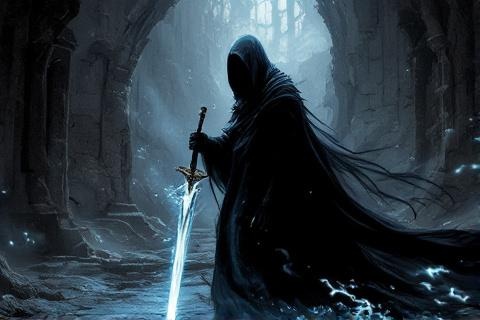
The Nazgûl existed primarily in the wraith-world, invisible to mortal eyes
except when they chose to wear dark robes to give themselves form. To those who
could see them in their true form, such as those who bore the great Elven Rings
or one who had been wounded by a Morgul-blade, they
appeared as terrible grey figures with white faces, dead kings with helms and
grey hair streaming behind them.
These wraith-kings wielded powerful sorcery and ancient weapons that made them
formidable opponents in battle. Their arsenal included dark magic that could
cause weapons to shatter and fires to extinguish. The Nazgûl could also call
upon shadow and flame, and their very presence could cause unnatural darkness to
spread.
The most potent weapon in the Nazgûl's arsenal was fear itself. Their presence
induced a terror known as the Black Breath, which could cause unconsciousness,
nightmares, and even death in those exposed to it for too long. This
supernatural dread was so powerful that even the bravest warriors could be
rendered helpless in their presence.
As servants bound to the One Ring, the Nazgûl possessed heightened senses that
made them particularly attuned to its presence. They could feel the Ring's power
and were drawn to it, which made them excellent hunters in Sauron's service.
Their connection to the wraith-world also gave them the ability to sense the
presence of other beings, particularly those wearing rings of power.
The Witch-king of Angmar
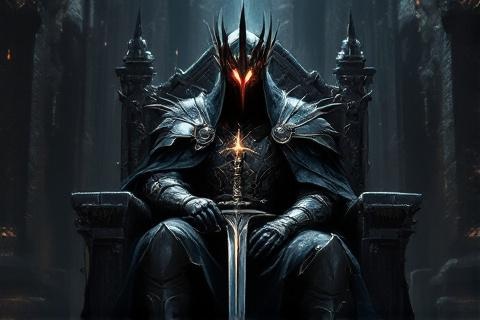
The Witch-king of Angmar stood as the most formidable of the Nine, serving as
Sauron's primary lieutenant and military commander. His power was so great that
even Gandalf the Grey acknowledged him as a foe beyond any
of them. The Witch-king's true name was lost to history, but his deeds would be
remembered with terror for ages to come.
In the year 1300 of the Third Age, the Witch-king established the realm of
Angmar in the northern reaches of the Misty Mountains. From this stronghold, he
waged a centuries-long campaign against the divided kingdoms of
Arnor, gradually weakening and destroying the northern realm of
the Dúnedain through warfare and dark sorcery.
A prophecy made by Glorfindel after the fall of Arnor
declared that the Witch-king would not fall by the hand of man. These words
proved to be more than mere prediction, as they foreshadowed the unique
circumstances that would lead to the Witch-king's eventual defeat.
The prophecy was fulfilled during the Battle of the Pelennor
Fields in Third Age 3019 when Éowyn,
shieldmaiden of Rohan, and Meriadoc Brandybuck, a
hobbit of the Shire, worked together to destroy the Witch-king.
Merry's blade, forged with specific spells against the Witch-king by the Men of
Westernesse, proved crucial in making the wraith vulnerable to Éowyn's fatal
stroke.
Steeds and Weapons
In their service to Sauron, the Nazgûl rode upon black horses that were
specially bred to endure their presence and carry them swiftly across
Middle-earth. These steeds were powerful and fast, yet they were also creatures
of darkness, sharing their masters' supernatural nature and ability to instill
fear in those who beheld them.
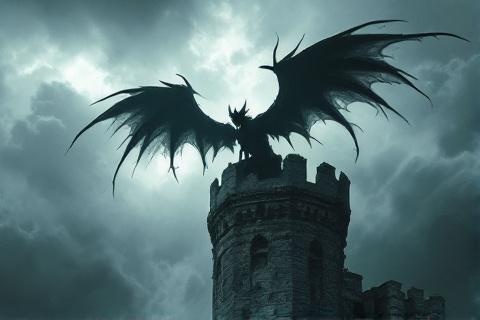
Following the loss of their horses at the Ford of Bruinen, the Nazgûl were
gifted with even more terrifying mounts: the fell beasts. These were ancient
creatures of unknown origin, described as great winged beasts with snake-like
necks, vast black pinions, and an overwhelming aura of dread. These flying
terrors gave the Nazgûl the ability to attack from above and spread fear across
vast distances.
Among their most dreaded weapons were the Morgul-blades, ancient daggers imbued
with powerful dark magic. A wound from these weapons would cause victims to
slowly transform into wraiths themselves, eventually falling under the dominion
of the Nine. Even a small scratch could prove fatal if not treated with specific
healing arts known only to the most skilled healers.
The Nazgûl were also armed with black swords and maces that they wielded with
terrible efficiency in battle. These weapons were enhanced by their wielders'
supernatural strength and the fear they inspired, making the Ringwraiths nearly
unstoppable in combat. Their arsenal represented a combination of physical and
psychological warfare that few could withstand.
Role in the War of the Ring
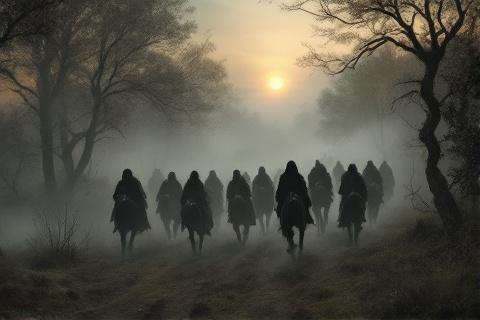
The hunt for the One Ring became the Nazgûl's primary mission in the Third Age,
particularly after Sauron learned of its location in the Shire. They pursued
Frodo Baggins and his companions with relentless determination, demonstrating
their skills as hunters and their unwavering devotion to their master's will.
During the War of the Ring, the Nazgûl served as commanders of Sauron's vast
armies, with the Witch-king leading the assault on Minas
Tirith. Their presence on the battlefield turned the tide
of many engagements, as few could withstand the combination of their military
strategy and supernatural terror.
The psychological impact of the Nazgûl on the forces of the West cannot be
overstated. Their very presence caused seasoned warriors to lose hope and flee
in terror. The sound of their fell beasts' cries and the shadow of their wings
overhead became symbols of despair for the defenders of Gondor
and their allies.
The Nazgûl's existence was intrinsically linked to the One Ring, and with its
destruction in the fires of Mount Doom, they met their
final end. As Sauron's power crumbled, the Nazgûl were consumed by the
collapsing power that had sustained them for so long, their terrible screams
marking the end of an age of darkness.
Impact on Middle-earth
Throughout the history of Middle-earth, the Nazgûl served as powerful symbols of
the corrupting influence of power and the dangers of unchecked ambition. Their
transformation from great kings to enslaved wraiths illustrated the ultimate
price of seeking power through darkness.
The fate of the Nazgûl represented a cautionary tale about the pursuit of
immortality through unnatural means. Their extended existence became a torment
rather than a blessing, demonstrating the wisdom of accepting mortality as the
gift of Men rather than seeking to extend life beyond its natural bounds.
The presence of the Nazgûl marked crucial moments in Middle-earth's history,
from the fall of Arnor to the final battles of the War of the Ring. Their
actions influenced the course of events across three ages, shaping the destiny
of countless kingdoms and peoples.
The legacy of the Nazgûl endured in the memories and stories of all the free
peoples of Middle-earth. Their terror became legendary, serving as a reminder of
the darkness that had nearly consumed the world and the importance of resisting
the lure of power at any cost.